I avoided face oils for most of my adult life.
Growing up with combination skin, oily T-zone, dry cheeks in winter, I was convinced oils would turn my face into a greasy mess. Every magazine I read said the same thing: if you’re prone to breakouts or shine, stay away from oils. So I did.
My routine was all watery layers. Toner, essence, serum, gel moisturizer. I’d mastered Korean skincare layering for hydration, but something was missing. No matter how many hydrating products I applied, my skin still felt like it was losing moisture throughout the day.
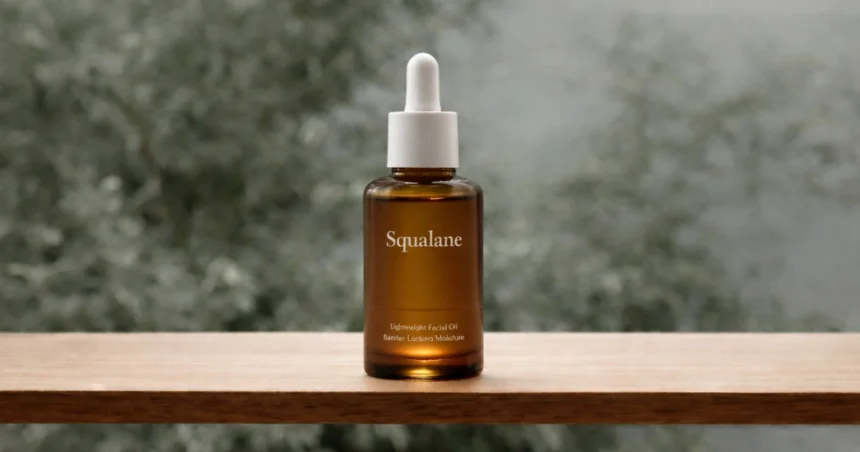
A K-beauty blogger I followed mentioned squalane as the “oil for people who hate oils.” She had oily skin and swore it didn’t break her out or make her shiny. I was skeptical but curious enough to try a sample.
That tiny bottle changed everything I thought I knew about face oils.
What is squalane?
A quick clarification that confused me at first: squalane and squalene are not the same thing.
Squalene (with an E) is a lipid your body produces naturally. It’s part of your skin’s sebum, that oily substance your sebaceous glands create. Squalene helps keep skin moisturized and protected. When you’re young, your skin produces plenty. But like so many good things, squalene production drops as you age. By your thirties, you’re making significantly less than in your teens.
The problem with squalene in skincare is instability. It oxidizes quickly when exposed to air, which can cause irritation and clogged pores.
Squalane (with an A) is the hydrogenated, stabilized version. It has the same moisturizing benefits but won’t oxidize or go rancid. When you see squalane in K-beauty products, this is the form you’re getting.
Because squalane is so similar to what your skin already produces, it absorbs beautifully and rarely causes reactions. Your skin recognizes it as something familiar and lets it in without protest.
Why squalane works for almost every skin type
The reason squalane converted me from oil-avoider to oil enthusiast is how differently it behaves compared to what I expected.
It’s genuinely lightweight. Most face oils sit on your skin, creating a visible layer. Squalane sinks in. Not slowly, not with rubbing, it just absorbs, leaving skin soft without greasy residue. I can apply it in the morning and my makeup goes on smoothly right after.
It’s non-comedogenic. This was the big one for me. Squalane doesn’t clog pores. Its molecular structure is similar to your natural sebum, so it integrates with skin rather than sitting on top, causing congestion. Since I started using it, I haven’t had a single breakout I could attribute to squalane.
It works as an emollient. While humectants like hyaluronic acid and glycerin attract water to skin, they need something to seal that moisture in. Squalane acts as an occlusive layer preventing water loss without feeling heavy. It’s the lid on the jar.
It’s anti-inflammatory. Some research suggests squalane has calming properties that help with redness and irritation. My skin looks less reactive since adding it to my routine.
It plays well with everything. Squalane doesn’t conflict with any active ingredients. Vitamin C, niacinamide, retinol, acids, all fine.
These qualities mean squalane works for dry skin (adds needed moisture), oily skin (lightweight and non-pore-clogging), sensitive skin (calming and gentle), and aging skin (replenishes what you’re producing less of naturally). I can’t think of another oil crossing so many skin type boundaries.
Squalane’s role in a Korean skincare routine
Understanding where squalane fits took me a minute because it behaves differently than other products.
In K-beauty philosophy, you apply products thinnest to thickest. Watery toners first, then essences, serums, moisturizers, then heavier occlusives. Squalane fits in several spots depending on how you want to use it.
As a serum step. Apply pure squalane oil after water-based serums but before moisturizer. A few drops patted onto damp skin absorbs quickly, adding a moisture-sealing layer.
Mixed into moisturizer. Add a drop or two directly into your moisturizer before applying. This boosts occlusive properties without adding an extra step.
As your final step. On particularly dry days or during winter, use squalane after moisturizer to create an extra seal. Just a thin layer, pressed gently into skin.
Morning vs evening. Squalane works for both, but I prefer it at night when layering more products. In the morning, I use it sparingly so sunscreen and makeup apply smoothly.
The flexibility makes squalane useful, it adapts to what your routine needs on any given day.
Plant-derived vs shark-derived squalane
This affects purchasing decisions for many people.
Historically, squalene was harvested from shark liver oil. Sharks have high squalene concentrations, making them targets for the cosmetics industry. This practice has raised serious environmental and ethical concerns.
Today, most reputable brands use plant-derived squalane. Common sources include:
Olives, The most common source. Olive-derived squalane is chemically identical to shark-derived but comes from pressing olive oil.
Sugarcane, Increasingly popular as brands seek sustainable options.
When shopping, look for brands explicitly stating plant-derived squalane. Most K-beauty brands have moved to olive or sugarcane sources. Plant-derived squalane performs identically, there’s no benefit to shark-sourced versions.
Can oily skin use squalane?
This seems counterintuitive. Why would oily skin need oil?
The answer involves understanding the difference between hydration and moisture, and why oily skin can still be dehydrated.
Oily skin produces excess sebum, but sebum production and hydration levels are separate things. You can have an oily T-zone while simultaneously being dehydrated. When this happens, skin might produce more oil to compensate, creating a frustrating cycle.
Adding lightweight oil like squalane can help regulate this. When skin receives adequate moisture, it often calms its own oil production. The key is choosing the right oil, non-comedogenic and fast-absorbing.
Squalane fits perfectly. It won’t clog pores, absorbs fast without leaving shine, signals to skin it has enough moisture, and doesn’t feel heavy.
If you have oily skin and feel nervous, start small. Use one or two drops at night, mixed into moisturizer. See how skin responds over a week or two. Most people with oily skin find squalane works surprisingly well, I certainly did.
How to incorporate squalane
If you’re ready to try squalane, here’s how to ease it into your routine.
Start with nighttime only. See how skin responds without worrying about makeup or daytime shine.
Use it on damp skin. Like other moisturizing steps, squalane works best applied to skin that still has moisture. Apply right after serum while your face is slightly tacky.
Less is more. Three to five drops for your entire face is plenty. Warm between palms and press gently rather than rubbing.
Layer appropriately. Squalane goes after water-based products and can go before or after moisturizer depending on preference.
Give it time. Squalane absorbs faster than most oils, but give it a minute before your next step to prevent pilling.
Combine with hydrating ingredients. Squalane seals in moisture, so it works best when there’s moisture to seal. The classic combo is hyaluronic acid followed by squalane, HA pulls water in, squalane keeps it there.
The oil that changed my mind
I spent years avoiding oils because I didn’t understand them. I thought all oils were heavy, greasy, pore-clogging. Squalane proved me wrong.
It’s the lightest-feeling oil I’ve ever used. It doesn’t sit on my skin or make me shiny. It simply does what I needed all along: seals in hydration from all those watery K-beauty layers I was already using.
If you’re oil-averse like I was, squalane might change your mind too. Now my hydrating routine feels complete in a way it didn’t before, all those humectants finally have a partner to lock them in.